
Psoriasis
Personalized care • Whole-body focus • Collaborative team approach
A refined, whole-person approach to calmer skin—supporting inflammation, the skin barrier, and the stress-skin connection with integrative care.
What is Psoriasis?
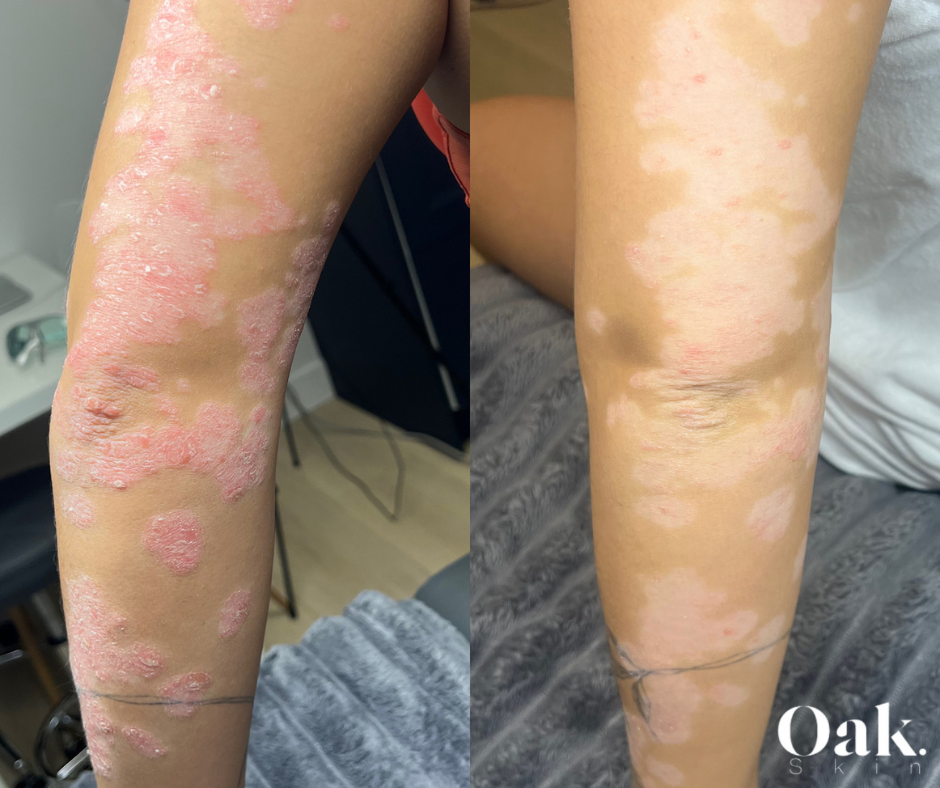
Psoriasis is a chronic inflammatory skin condition that can cause thickened, scaly patches, redness, and itching. It often cycles through flare-ups and quiet periods and can be influenced by immune activity, stress, sleep, hormones, gut health, and environmental triggers.
Common types we see:
Plaque psoriasis (most common)
Scalp psoriasis
Guttate psoriasis
Inverse psoriasis
Nail psoriasis
Common symptoms:
Itchy or painful plaques
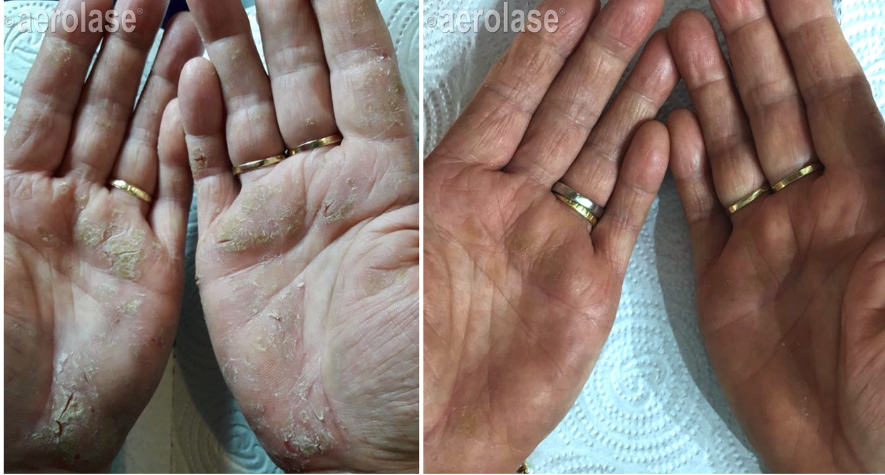
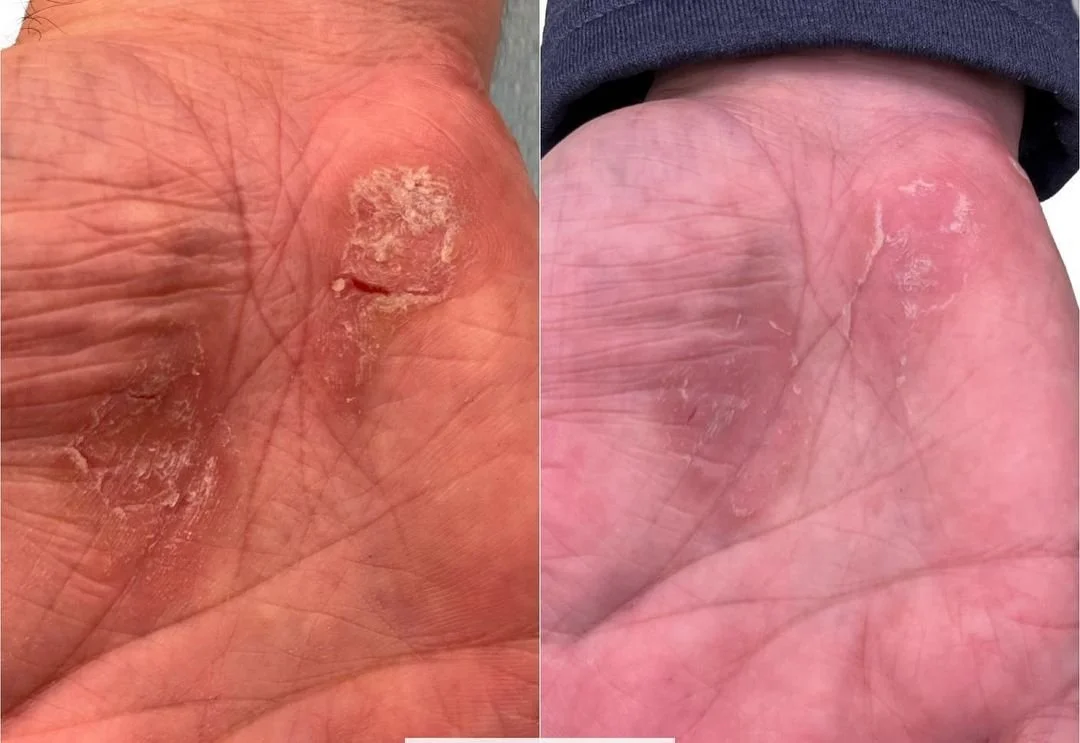
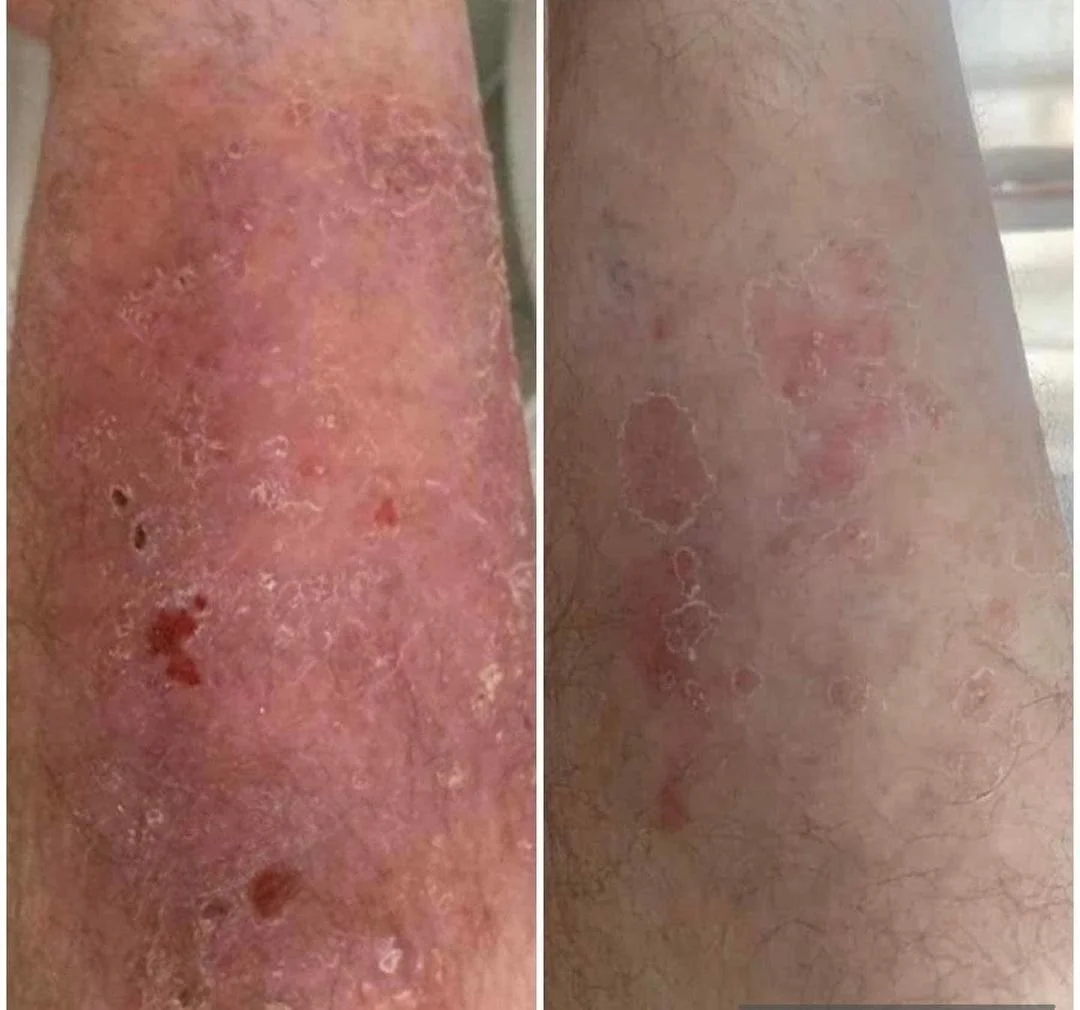
Flaking and visible scaling
Burning sensation
Cracked skin
Nail pitting or lifting
Our Approach at Oak Skin
Psoriasis support is never one-size-fits-all. We take time to understand your skin, your health history, and the patterns behind flare-ups—then create a plan designed to feel both effective and sustainable.
What makes our approach different:
Whole-person assessment: skin, immune function, stress resilience, sleep, digestion, and nutrient status
Barrier-first strategy: calm inflammation while supporting skin comfort and recovery
Collaborative care: coordinated recommendations across our multi-disciplinary team
Refined, supportive environment: care that feels calm, unrushed, and tailored

Treatments for Psoriasis
-
A deep dive into your history, flare patterns, lifestyle, skincare routine, and goals.
May include:
Trigger mapping + timeline review
Skin barrier and routine refinement
Nutrition and lifestyle guidance
Supplement strategy (when appropriate)
Lab review or recommendations (if indicated)
-
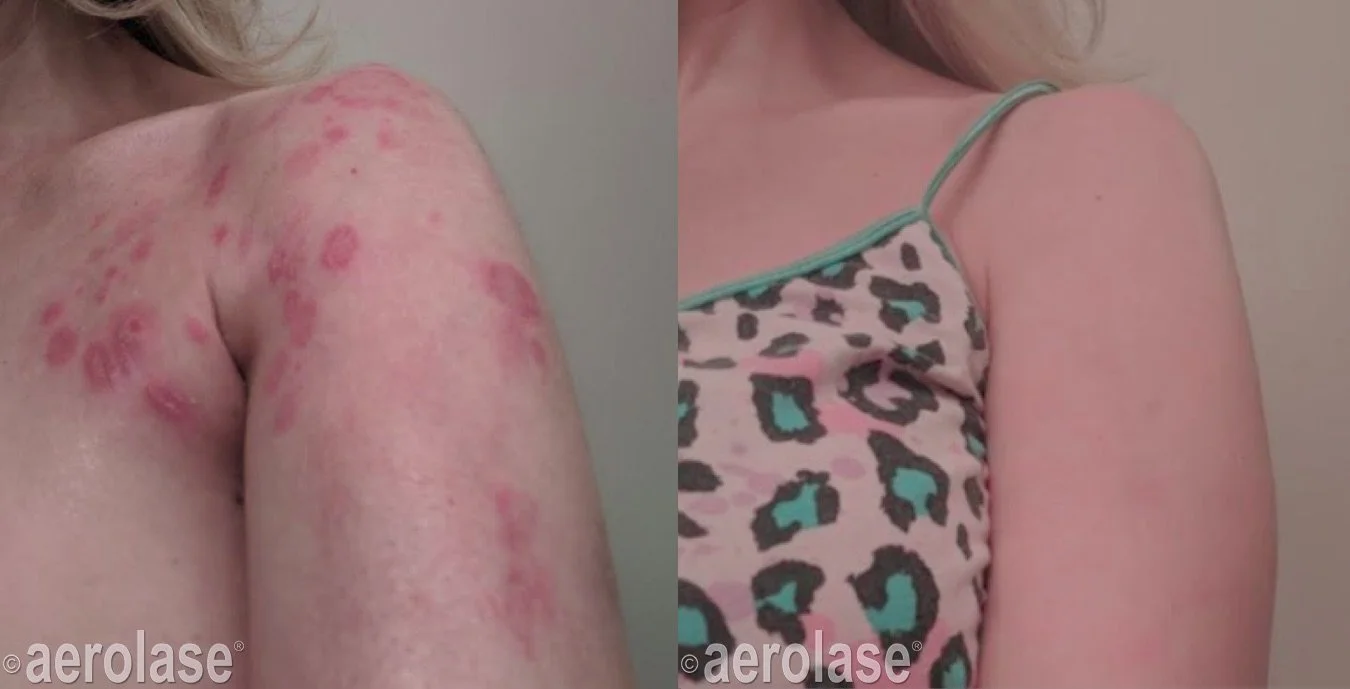
Aerolase® is a medical-grade laser designed to deliver gentle, controlled energy to inflamed skin without excessive heat or discomfort. It supports the reduction of redness, scaling, and inflammation associated with psoriasis plaques.
Why patients love Aerolase:
Safe for all skin tones
Minimal discomfort
No harsh topical agents required
No downtime
Quick, comfortable sessions
Can be used on body and scalp
Aerolase works by delivering energy that penetrates into the skin to calm inflammatory activity while preserving surrounding tissue. Many patients notice gradual improvement in plaque thickness, redness, and overall skin clarity over a series of treatments.
FAQs
Is psoriasis autoimmune?
1
Psoriasis involves immune system overactivity and chronic inflammation. Many medical sources describe it as immune-mediated.
Is psoriasis contagious?
2
No—psoriasis is not contagious.
What’s the difference between eczema & psoriasis?
3
Eczema often presents with more oozing/very dry patches and is strongly linked to allergies and barrier dysfunction. Psoriasis typically has thicker plaques and more defined scaling. A proper assessment matters.
5
Can stress cause psoriasis flare-ups?
4
Do you replace my dermatologist?
Stress is one of the most common triggers and can worsen inflammation and skin symptoms.
No—we can work alongside your dermatologist to support the whole-body factors that influence flare-ups.